
If you suspect tree roots in your sewer lines, it’s important to recognize the warning signs early, and Mr. Rooter Plumbing of Dallas discusses how. This can help prevent expensive sewer repair in Dallas and avoid bigger issues.
What Causes Tree Roots in Sewer Lines?
Tree roots naturally seek out water and nutrients to grow. Since sewer lines carry waste and water, they can provide the perfect environment for roots to spread. Root intrusion begins when cracks or joints in sewer pipes allow roots access, where they grow larger over time to cause blockages, leaks, and potentially broken pipes – leading to blockages, leaks, and potentially breaking them altogether – leaving serious plumbing problems unresolved unless treated immediately.
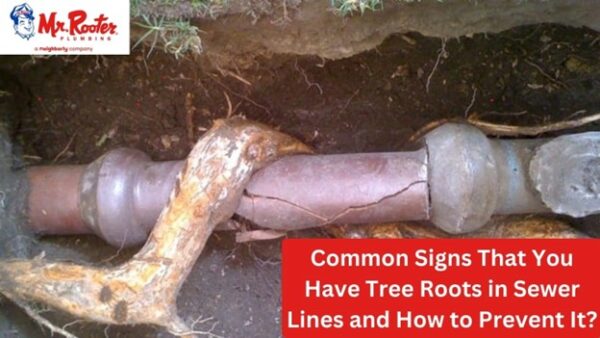
Common Signs of Tree Roots in Sewer Lines
Recognizing tree roots in your sewer lines early can save you from a lot of trouble. Here are the most common signs to look for:
1. Slow Draining Drains
One of the first signs of a sewer line problem is slow drainage. If your sinks, bathtubs, or toilets are draining more slowly than usual, it could be because tree roots are blocking your sewer pipes. If the problem is not fixed, the drains could eventually back up completely.
2. Foul Odors
Another telltale sign of tree roots in your sewer lines is bad smells. If you notice unpleasant odors around your drains or yard, it may indicate a sewer line problem. When roots block the flow of wastewater, waste can back up or leak out, leading to foul smells that can be detected in your home or even outside near the pipe’s exit.
3. Gurgling Noises in Pipes
Have you heard strange gurgling noises coming from your drains? This could be a sign that tree roots are interfering with the normal water flow in your pipes. The sound happens when air gets trapped in the pipes due to blockages. If you hear gurgling noises, checking your sewer system for tree root damage is a good idea.
4. Wet Spots in Your Yard
If you notice unexplained wet spots or patches of grass that are greener than the rest of your lawn, tree roots may be to blame. Sometimes, these wet areas can become soggy and swampy, even if there isn’t much rain.
5. Foundation Cracks
In more severe cases, tree roots can cause serious damage to your sewer lines and your home’s foundation. If you notice any new cracks in your foundation, especially around plumbing lines, it’s important to inspect the sewer system right away.
6. Frequent Clogs and Backups
If you’re dealing with frequent clogs in your drains or sewage backups in your toilets, it might be due to tree roots in the sewer lines. Check out the other key symptoms of a clogged sewer drain. If clogs happen often, inspecting your sewer lines is a good idea.
How to Prevent Tree Roots in Sewer Lines
Here are some practical tips:
1. Plant Trees Far from Sewer Lines
One of the best ways to prevent tree roots from invading your sewer lines is to plant trees at least 10 to 20 feet away from your pipes. Research its root system first if you’re planting a tree near your home. Some trees have shallow, wide-spreading roots that are more likely to invade sewer pipes, while others have deeper roots that are less likely to cause problems.
2. Use Root Barriers
If trees have already been planted near your sewer lines, installing a root barrier can help prevent roots from reaching the pipes. Root barriers are physical barriers made of plastic or metal placed in the ground between the tree and the sewer line.
3. Regular Sewer Line Maintenance
Maintaining your sewer lines is key to preventing tree root damage. Regular inspections by a professional plumber can help identify cracks, leaks, or weak spots in your pipes. By catching small issues early, you can prevent roots from entering the pipes in the first place. If you live in Dallas, it’s wise to schedule regular sewer maintenance to keep everything running smoothly and avoid costly sewer repairs in Dallas.
4. Trim Tree Roots Regularly
Another way to control the spread of roots is to trim them back regularly. If you notice that the roots from nearby trees are starting to invade your sewer lines, you can hire a professional to trim the roots.
5. Consider Pipe Replacement
If your sewer pipes are old or damaged, replacing them with more durable materials might be worth replacing. Modern pipes, like PVC or epoxy-coated pipes, are more resistant to root intrusion than older clay or metal pipes.
Mr. Rooter Plumbing of Dallas
Tree roots in sewer lines can create havoc. Taking steps early and often to prevent root intrusion may help avoid costly repairs and extensive home damage. If any signs described here arise in your system, don’t hesitate to consult a professional plumber immediately; regular maintenance, such as planting trees away from pipes and installing root barriers, will protect it against tree root invasion – keeping a watchful eye will help avoid Dallas sewer repair requirements altogether!


Thank you for sharing!