Have you ever wondered about the condition of your roof? In Portland, where the weather can be particularly harsh with its heavy rainfalls and occasional snow, keeping your roof in top shape is essential to protect your home from the elements. Regular roof inspections can save you from costly repairs in the future. In this blog, we will share important tips on what to look for during a roof inspection and how to maintain the integrity of your roofing system.
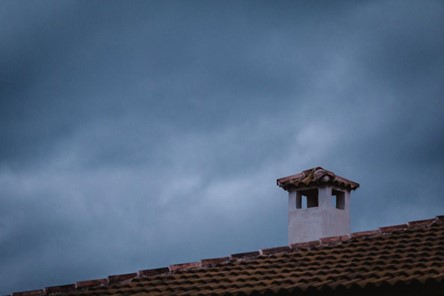
Understanding Roof Inspection
A roof inspection is a detailed check-up of your roof’s overall health. It includes looking for any signs of damage, wear and tear, or other problems caused by the weather and outside elements. The main purpose of these inspections is to find and fix small issues before they become big, expensive problems. During an inspection, every part of the roof is examined. This includes the shingles, gutters, flashing, and the basic structure that supports the roof. Understanding what goes into a thorough inspection helps homeowners know when it might be necessary to get a professional to take a closer look.
Identifying Common Roof Problems
Many roof issues are common, especially in areas like Portland that experience diverse weather conditions. During an inspection, it’s crucial to look for missing or broken shingles, signs of water damage like stains or mold, and any damage to metal parts like flashing. It’s also important to check for any buildup of debris or overhanging branches that could pose a risk. If you notice any of these problems, consulting with a reputable Portland roofing contractor can provide you with expert advice and repair solutions tailored to your specific needs. They can help ensure that your roof is repaired efficiently and effectively, using materials suited to withstand local weather conditions.
Checking for Leaks
One of the most critical aspects of a roof inspection is identifying potential leaks. Water damage can be particularly insidious, as it often goes unnoticed until significant damage has occurred. To spot leaks, look for dark spots on the ceiling, damp insulation in the attic, or rust around nails and fasteners. It’s also a good idea to inspect the roof during or just after heavy rain to see if there is any active leaking. Early detection of leaks can save a lot of time and money by preventing the spread of water damage throughout your home.
Inspecting Shingles
Shingles are your roof’s first line of defense against the weather and are susceptible to a lot of wear and tear. When inspecting shingles, look for any that are missing, cracked, curling, or blistering. These conditions can compromise the shingle’s ability to repel water and can lead to leaks. In addition, check for granules from the shingles accumulating in gutters or downspouts; this can be a sign that your shingles are nearing the end of their life and may need to be replaced. Regular checks will help you understand when to perform minor repairs and when a larger overhaul is necessary.
Gutter Maintenance
Gutters are an essential component of roof health, guiding rainwater away from your home’s foundation. During an inspection, ensure that gutters and downspouts are securely attached, free of cracks, and not clogged with leaves or other debris. Clogged gutters can lead to water backing up, which can damage roofing material and even lead to water intrusion into your home. Cleaning gutters regularly and installing gutter guards can help keep them functioning properly and extend the life of your roof.
Checking Ventilation
Proper ventilation is essential for maintaining the roof’s integrity. Good airflow helps prevent excessive heat and moisture buildup in the attic, which can weaken the roof structure and lead to problems like mold growth and rot. Check that your ventilation systems, such as soffit vents, ridge vents, and attic fans, are clear of obstructions and functioning correctly. Proper ventilation not only prolongs the life of your roof but also improves energy efficiency in your home by regulating attic temperatures.
The Role of Flashing
Flashing is critical for preventing water from seeping into the roof where it meets protrusions like chimneys, vents, and dormers. During your inspection, check that the flashing is intact, not rusted, and securely fastened. Any gaps or signs of wear could allow water to penetrate, causing damage that might not be visible until it has become a more significant issue. Repairing or replacing damaged flashing promptly is integral to maintaining a watertight roof.
Roof Structure Integrity
Inspecting the structural integrity of your roof involves more than just looking at the surface. Go into the attic and check for any signs of sagging or bowing in the roof deck, rust on any metal components, or rot in wooden parts. These signs could indicate underlying issues that require immediate attention. Ensuring the structural stability of your roof is critical for the safety and security of your home.
Professional Inspections
While personal inspections are valuable for routine maintenance, the importance of a professional inspection cannot be overstated. Professional roofers have the tools, knowledge, and experience to identify issues that might not be apparent to the untrained eye. Consider scheduling a professional inspection every few years or after significant weather events. These inspections can provide peace of mind and a more detailed assessment of your roof’s condition.
Seasonal Roof Care
Maintaining your roof is an ongoing process that changes with the seasons. Each season brings its own challenges, such as leaf buildup in the fall or snow accumulation in the winter. Regular seasonal maintenance, such as clearing debris, trimming overhanging branches, and checking for storm damage, can prevent seasonal wear and tear from causing long-term damage to your roof.
Conclusion
Regular roof inspections are vital for extending the lifespan of your roof and preventing costly repairs. By understanding what to look for and maintaining your roof throughout the year, you can ensure that it remains in excellent condition, protecting your home from the elements. Whether you perform inspections yourself or hire professionals, staying proactive about roof maintenance is key to safeguarding your investment in your home. A well-maintained roof not only secures your property but also contributes to the overall well-being of your household.