
Are you thinking about remodeling your bathroom to suit your needs as you age? In Tampa, where the population includes a significant number of retirees and seniors, designing a bathroom that accommodates lifelong comfort is not just a luxury but a necessity. Creating a space that is safe, accessible, and stylish can enhance the quality of life for years to come. In this blog, we will share practical tips on how to design a bathroom that combines functionality with comfort, ensuring it meets your needs at every stage of life.
Planning Your Space
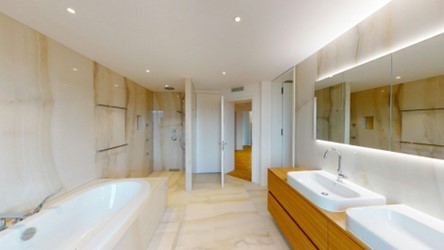
The first step in designing an age-friendly bathroom is effective space planning. This process involves assessing the existing layout and making strategic adjustments to enhance accessibility and safety. Considerations include ample room for mobility aids, such as walkers or wheelchairs, and ensuring that fixtures are positioned within easy reach. For instance, ensuring there is enough clearance around the toilet and shower areas to maneuver comfortably is extremely important. It’s also wise to plan for a layout that allows for future modifications, should your needs change over time.
Incorporating a Walk-in Tub
A key feature in any accessible bathroom design is the bathing facility. For many, especially older adults or those with mobility challenges, traditional bathtubs can pose a risk due to high sides and slippery surfaces. A walk-in tub offers a safer alternative. These tubs come with doors that open, allowing easy entry and exit, and are equipped with features like built-in seats and anti-slip floors. Opting for a walk-in tub installation is a proactive step towards creating a safer bathroom environment. When choosing a Tampa walk-in tub installation service, look for providers who offer a range of customizable options to fit your specific space and needs.
Choosing Non-Slip Flooring
Flooring choices play a pivotal role in maintaining safety in the bathroom. Non-slip flooring options such as textured tiles or slip-resistant vinyl are essential to prevent falls, which are a common bathroom hazard. When selecting flooring, consider materials that provide good traction even when wet and test samples if possible. In addition, the aesthetic aspect need not be compromised for functionality; today’s market offers a wide range of non-slip flooring that is both effective and visually appealing, ensuring that safety does not detract from the overall style of the bathroom.
Optimal Lighting
Proper lighting in a bathroom is vital not only for aesthetics but also for safety and functionality. Adequate lighting reduces the risk of accidents by ensuring that all areas of the bathroom are well-lit, thus avoiding shadows and dark corners. Plan for a mix of overhead lighting and task lighting around mirrors and showers. Consider installing lights with adjustable brightness to cater to different times of the day and different user needs, and ensure that switches are accessible and easy to operate. For added convenience and safety, motion-sensor lights can be a great addition, illuminating the space automatically when someone enters.
Accessible Shower Options
Besides the walk-in tub, another excellent feature for an accessible bathroom is a zero-entry shower. This type of shower has no steps or thresholds, making it accessible to wheelchair users and reducing trip hazards for those with limited mobility. Equip these showers with additional safety features such as grab bars, non-slip flooring, and a handheld showerhead. This ensures that users of all mobility levels can shower independently and safely. Planning the shower to include a bench or seat can further enhance comfort and security, providing a place to rest during showering.
Height-Adjustable Features
Incorporating height-adjustable features into your bathroom design can significantly improve usability for individuals with varying needs. Adjustable sinks and mirrors that can be repositioned cater to users of different heights and abilities, providing flexibility and convenience. Consider installing sinks that can be easily adjusted vertically and mirrors that tilt or extend outward, allowing for easy access from either a standing or seated position. These features promote independence and comfort in using the bathroom facilities, making the space more versatile.
Toilet Upgrades
Choosing the right toilet can make a big difference in the accessibility of your bathroom. Comfort-height toilets, which are a few inches taller than standard models, make it easier for individuals with mobility issues to sit down and stand up. Additionally, installing grab bars around the toilet area can provide necessary support and stability, reducing the risk of slips and falls. These modifications help ensure that the toilet area is safe and accessible for all users.
Storage Solutions
Effective storage is key to keeping a bathroom organized and ensuring that necessities are within easy reach. Opt for storage options that are accessible and easy to use, such as drawers that pull out fully and open shelving that doesn’t require reaching or stretching. Lowered storage spaces and vanity cabinets can also be beneficial, particularly for wheelchair users. By carefully considering the placement and design of storage solutions, you can create a bathroom that is both functional and clutter-free.
Smart Technology
Integrating smart technology into your bathroom can further improve convenience and safety. Technologies like voice-activated faucets, automated lighting, and temperature-controlled showers enhance user experience, making bathroom routines simpler and safer. These technologies can be particularly helpful for those with limited mobility or dexterity, allowing for touch-free operation and easy adjustments.
Maintaining Clear Pathways
Maintain clear and unobstructed pathways within the bathroom to ensure easy movement and accessibility. This involves thoughtful layout planning to avoid cramped spaces and ensure that there is sufficient room for maneuvering with mobility aids. Clear pathways are essential not only for everyday convenience but also for emergency situations where quick and unhindered access is necessary.
Conclusion
Designing a bathroom for lifelong comfort involves thoughtful consideration of layout, features, and technologies that cater to a wide range of needs. By focusing on safety, accessibility, and flexibility, you can create a space that promotes independence and well-being. Whether you’re installing a walk-in tub, incorporating adjustable features, or integrating smart technology, each element contributes to a functional and comfortable bathroom environment. As you plan your bathroom renovation, remember that the goal is to create a space that is not only practical for today but also accommodating for the future, ensuring comfort and convenience for years to come.


Leave a Reply