How big does a house have to be to satisfy your needs? There are people with children who have adopted the tiny home lifestyle. That fact might not inspire you to move into a tiny home, but it should inform you that it is possible to live in a much smaller space than you might have thought was feasible. It is usually not a necessity that decides the size of the house we buy, but culture. Small homes are a reality for many people but seldom held up as the desirable thing to have. That needs to change.
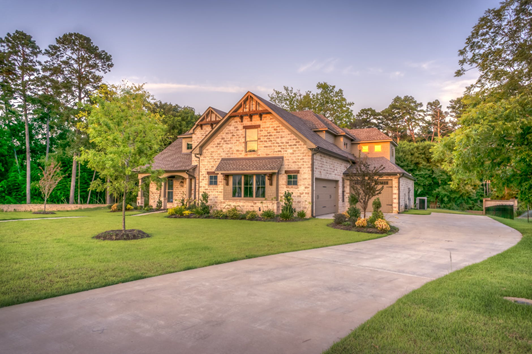
Americans have come to associate the size of their home with the outward sign of their success. That has left a vacuum with regard to good ideas and methods for making small homes not just livable, but enjoyable. The average size of a house in the US is roughly 2,500 square feet and pushes above 3,000 square feet at the upper range of the average. For the vast majority of the world, that would be considered too much house. People in other parts of the world know what to do with a house more along the lines of 1,200 square feet. If you find yourself in a smaller home than is typical for your culture, here are some tips that will give that small home a big home feel:
Utilize Bigger Spaces for Non-Traditional Items
If your kitchen is too small for all the gadgets you like to use, move some of them to other parts of the house. If you mostly use the microwave for making popcorn while watching TV, move it into the TV area of the house.
The same goes for your coffee station. What kind of coffee do you prefer? Are you a French press drinker, do you favor a Chemex-style setup, or are you more of an espresso lover? You drink your coffee in the dining area or office. Move your equipment to that location and make a station out of it. Find the best coffee subscription service and keep it stock with your favorite hot beverage. Now that it is out of that cramped kitchen, you can make that happen. Not every house is encoded with a restaurant-sized kitchen. So don’t overload it with things just because they traditionally go in the kitchen. Find the underutilized spaces in the other parts of the house and use them to extend the smaller spaces. By doing it that way, no one space in the small home gets overloaded.
Make Different Furniture Choices
Culture not only dictates the size of houses. It also has a say in the type of furniture that goes into those houses. Although not conventional, decorating a living room without a sofa is not a bad idea for any number of reasons. One of the most obvious reasons is the size of the furniture. A sofa is one of the largest pieces of furniture you will own. A good sofa is also heavy and hard to move, even with two people.
We are also living in a time when even family members don’t want to be pressed together in a single chair. That time has certainly passed for friends and casual acquaintances. The couch is one of those pieces of furniture most often used by one person lying down rather than by three sitting shoulder to shoulder. There are more space-friendly ways to get that benefit such as a smaller reclining glider chair. Get your space back by getting rid of large furniture pieces you don’t need.
Create Usable Outdoor Spaces
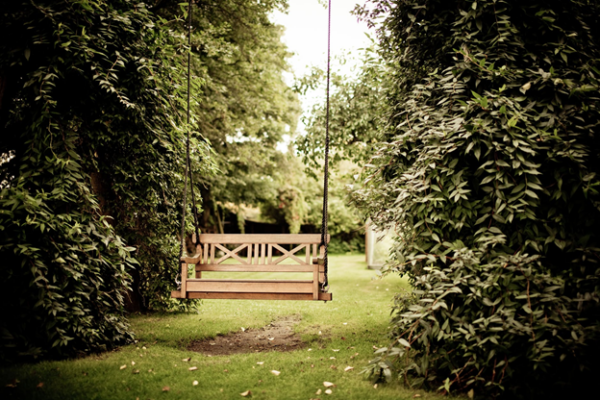
You don’t have to put all the pressure on the inside of your house. If you have a porch or patio, extend your living space to the outside. There are economical ways to create comfortable spaces for sitting, reading, and general lounging about. On warm days, you can move your morning coffee habit to the outside and take in the sunrise. The key is to stop thinking about the inside of the house as the only place that can contain your domestic tranquility. You don’t need a large outdoor space to give yourself a cozy retreat.
You don’t have to buy a McMansion for a small family unit. If you are starting to feel a bit cramped in the space you have, Make it feel bigger by repurposing unused space for non-traditional items. Get rid of the couch and other large pieces you don’t need anymore. And utilize whatever outdoor area you have to extend your living space. Using these tips, you can make a small home feel larger and more comfortable.