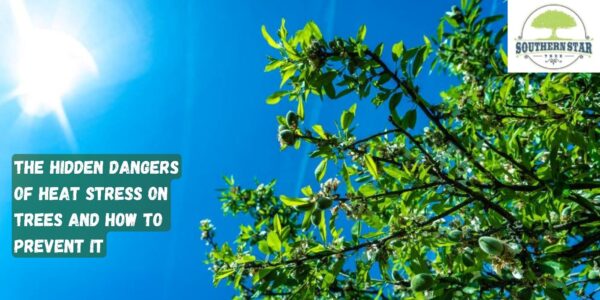
Heat stress on trees is becoming an increasingly pressing concern as temperatures rise globally. Like humans, trees suffer from prolonged exposure to extreme heat, which can lead to harmful effects. While trees are resilient, they are not invincible. With that in mind, it is crucial to understand the hidden dangers of heat stress on trees and take proactive measures to prevent it. As a reputable tree service in Atlanta, Southern Star Tree can help you preserve the health of your trees during hot weather. Let us explore the various effects of heat stress on trees and practical tips for preventing its effects.
The Impact of Heat Stress on Tree Physiology
Heat stress can severely affect a tree’s physiology, affecting its growth and overall health. When temperatures soar, trees may struggle to make food efficiently, as the tiny pores on leaves, or stomata, close to prevent water loss. This closure reduces carbon dioxide intake, ultimately slowing down the photosynthesis process. Over time, the tree weakens, making it more susceptible to diseases and pest infestations. If you notice telltale signs of deterioration, consult a trusted tree service in Atlanta to avoid the problem.
Dehydration and Leaf Scorch
One of the most noticeable signs of heat stress on trees is dehydration, which can cause leaf scorch. During intense heat, trees lose water faster than they can absorb from the soil, resulting in dry, brown, and scorched leaves. Leaf scorch affects the tree’s appearance and shows a deeper problem. This dehydration can cause long-term damage to the tree’s vascular system, impeding its ability to transport nutrients and water throughout its structure.
Increased Vulnerability to Pests and Diseases
Heat-stressed trees are more prone to pest infestations and diseases. When a tree is weakened by extreme heat, its natural defenses are compromised. Pests such as bark beetles and borers are more likely to attack a heat-stressed tree, exploiting its weakened state. In addition, heat stress can create a favorable environment for fungal infections, which can compromise the tree’s health. A tree already threatened by heat stress may find it difficult to recover from these additional assaults.
Soil Health and Its Role in Heat Stress
The health of the soil plays a critical role in a tree’s ability to withstand heat stress. Poor soil quality, often exacerbated by drought conditions, can limit the tree’s access to essential nutrients and water. Compacted or poorly drained soils can further stress trees by preventing root growth and reducing oxygen availability. Healthy soil, enriched with organic matter, can retain moisture better and provide a stable environment for roots, making trees more resilient against heat stress.
Preventive Measures
Preventing heat stress in trees requires proactive care, including proper watering techniques and mulching. Mulching around the base of trees helps retain soil moisture, reduce surface temperature, and suppress weed growth, which can compete for water. Also, deep watering practices are crucial, especially during hot periods. Watering trees profoundly but less frequently encourages profound root growth, which helps trees access water from deeper soil layers and withstand prolonged heat spells.
Heat stress poses a significant threat to trees, affecting their health, growth, and resilience. By understanding the hidden dangers of heat stress and implementing preventive measures, you can maintain healthy trees even in extreme temperatures. Contact us at Southern Star Tree and schedule a consultation with certified arborists to protect your trees year-round. Our tree service in Atlanta works with you throughout to ensure your trees’ survival for future generations.