
A house fire is a life changing event that can leave behind not only the physical destruction but also emotional shock and uncertainty. What comes next depends on what happens when the fire is out and what you’re left with. Once the emergency responders have left, many homeowners find themselves asking what they should do now. And in this guide, we’re going to walk you through 15 of the things you could be doing after a house fire.
Contact an insurance claim attorney.
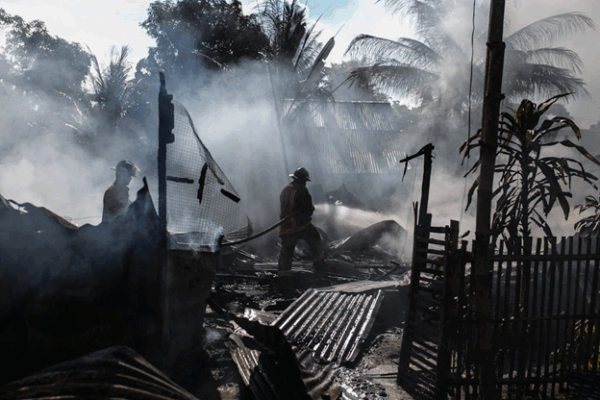
Before you do anything else to do with your house, you need to reach out to your home insurance provider and report the fire has occurred. They’ll be able to guide you on filing a claim and assign an adjuster to evaluate the damage. Insurance policies can be complex, so talking to an insurance claim attorney is always a good idea. Not all claims go smoothly, especially in cases of severe damage or policy disputes. It’s always wise to speak with somebody who knows what they’re doing, and a qualified attorney can help you to understand what your rights are, ensure that you file everything correctly, and stand by your side through negotiations with the insurance company.
Find safe and temporary housing.
After a fire, your house may be uninhabitable, and that’s where the emergency services can help. They’ll be able to assess your home and tell you whether or not it’s structurally sound for you to continue to live there. Even if it’s still standing, it doesn’t make it structurally sound, so you do need to make sure it’s safe. Smoke damage, water damage, and unseen structural issues can make it unsafe to stay there, so you need to have a safe and temporary place to stay. This could be with family or friends or through resources like the Red Cross. Local churches or community shelters can also help, and if you have insurance, your policy may cover additional living expenses. This can include your hotel stay, meals and any basic necessities that you need.
Get a fire report.
Go to the fire department for a copy of the fire report that they did. This official document can outline when and where the fire occurred, suspected causes, and the responding team’s observations. They are the experts and this report is valuable for your insurance claim, especially if it goes to a point of going to court. It’s also helpful when applying for permits to begin repairs too.
Secure the property as best you can.
Once the fire has gone out and the authorities have given you permission to enter, you need to take the right steps to secure your home. If there are any broken windows, boarding these up and tarping any damaged roofs is the first step. This prevents any rain from entering the house and causing even further damage. Any accessible entry points should be locked up so that you can protect your property from animals and potential theft. Insurers expect homeowners to prevent further damage when possible, and you need to be able to demonstrate this if you’re making an insurance claim.
Document everything possible.
Taking detailed pictures and videos of the damage, including a walkthrough of your house is a good start. Going room to room and including wide shots and close-ups means that you’re going to be able to prove what damage has happened and you may even be able to follow the path of the fire. Making a list of all damaged or destroyed belongings, including brand names, model numbers and estimated values will help with your claim. It also acts as a record if you need to prove your losses later on.
Try not to throw anything away.
The instinctive thing to do is clean up after a fire. You want to disregard what’s damaged, but you shouldn’t do this just yet if you can avoid it. The insurance adjuster may need to see these items in person to verify your claim. If there is anything that has to be discarded or moved for safety reasons, such as moldy food or broken glass, then you need to take multiple pictures before you touch it. Both close-ups and wide shots.
Track all of your expenses.
Anything that you buy from the moment the fire goes out needs to be documented in terms of a receipt. Saving receipts for your temporary lodgings and your meals, toiletries and your clothes and even gas for your car needs to be kept to one side so that the insurance company can see what you spent because of the fire. You should also track the cost for securing your home or storing your belongings.If you have the right coverage, your insurer may reimburse you for any of these costs under your additional living expenses coverage. This will only work if you have the right documentation.
Get yourself checked out.
You may not have been near the fire, and you may not have breathed any smoke, but the environment itself can still pose risks. You’ll also be dealing with potential emotional turmoil after a fire, so you need to get yourself checked out by the doctor to make sure that you’re not dealing with any stress or PTSD that could put you in undue ill health. Smoke, particles, soot and chemicals can be dangerous to breathe in, so you do need to get your throat checked by the ED as soon as possible. If you or anybody in your household starts to feel ill, especially with symptoms like headaches, coughing or dizziness, a doctor is a must. Let them know you’ve been exposed to fire related conditions and don’t forget to talk about how you feel as a result of the fire. A fire is a traumatic thing to go through, especially if it’s burnt most of your house down.
Get some support from your community.
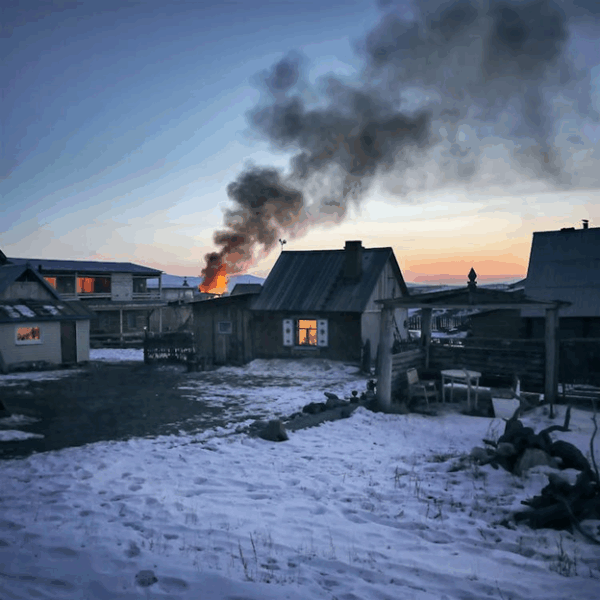
If you live in a tight knit neighborhood, recovery will take much more than building your walls. It means healing emotionally. Don’t hesitate to lean on your support system. That tight knit neighborhood is going to come in handy if you need some structured help because many communities have disaster support groups, crisis counselors and organisations that offer free mental health services.There is support available out there if you ask for it.
Talk to your utility providers.
The last thing that you want to deal with after your house has been burnt up in a fire is paying extra bills for electricity and water services you haven’t used. If they haven’t already been shut off, contact your utility provider to disconnect your gas, electric and water until your home is safe to use again. You should also contact your Internet, phone, and trash services to put your accounts on hold. You don’t want to continue to accumulate charges when you’re not using the space, and it also helps to prevent future hazards.
Begin restorations.
After the insurance adjuster has visited the property, begin the process of cleaning, restoring or rebuilding the house. Your provider may recommend trusted contractors that already toggle to your insurance, or they allow you to choose your own, but you need to check. You should also vet anybody that’s recommended, from licenses and reviews to estimates, before you sign. There are a lot of people that come out of the woodwork in order to profit off of other people’s pain, so you don’t want to end up putting your money in the hands of an unlicensed worker or a storm chaser who preys on disaster victims.
Replace your important documents.
Birth certificates, passports, drivers licenses, insurance policies, and financial paperwork may have been destroyed or damaged if they weren’t kept in a fire safe box. You should start working on replacing what you can as soon as possible and keep a checklist of what you’ve lost along the way. This way you can start contacting the relevant agencies to get replacements. Many will expedite requests for fire victims, especially if you have the report from the fire service that we mentioned earlier.
Help the kids to process it.
If you’ve got kids in the house, you’ll notice that children process trauma differently to adults. They may not be able to express what they’re feeling, but they can be deeply affected by the events that have occurred. Keep their routines as normal as you can, and provide reassurance and encouragement for them to talk about their feelings, too. Schools often have counselors who can help you if your child is struggling.
Let schools and employers know.
It’s so important that you keep both your workplace and your children’s school informed of what’s happened. You’ll be well supported and so will your children and most will be quite understanding and offer you additional support or time off as needed. You may need space to focus on recovery and that’s what they can give you.
Work with your insurance company.
Once a fire has passed and the crisis is over, take a moment to review your current policies and consider whether your coverage is enough. Work with the insurance company to determine whether your belongings have been included and whether your policy covers temporary housing or full rebuilds.


Leave a Reply