
If you rely on a CPAP machine (Continuous Positive Airway Pressure) to treat sleep apnea, having a steady and reliable power source is crucial for uninterrupted sleep. Power outages or frequent travel can leave you searching for solutions to keep your CPAP device running smoothly. A solar generator for CPAP use is an excellent way to keep your machine running, providing a quiet, portable, and sustainable power supply among other CPAP power supplies to help you sleep comfortably.
Key Takeaways
A solar generator is a reliable solution for powering your CPAP machine during power outages or while traveling off-grid, ensuring uninterrupted treatment for sleep apnea. Consistent power is vital for maintaining your health, and solar generators like the Titan Boost and Titan 240SP provide eco-friendly, quiet, and portable alternatives to conventional generators. The Titan Boost is lightweight and offers 3,000W of continuous power with expandable battery capacity, making it ideal for travel and emergencies. The Titan 240SP delivers a higher power output of 4,000W and 240V compatibility, suitable for extended outages and additional devices. Both models feature pure sine wave inverters to protect sensitive electronics, ample battery capacity for overnight use, and compatibility with solar panels for sustainable recharging. With a dependable solar generator, you can sleep comfortably and wake up refreshed, no matter the circumstances, making it a smart investment for better sleep and peace of mind.
Understanding Sleep Apnea and CPAP Machines
What is sleep apnea?
Sleep apnea is a sleep disorder that affects millions of people around the globe. It is characterized by pauses in breathing or periods of shallow breathing during sleep, which can occur multiple times throughout the night.

These pauses can last from a few seconds to several minutes and can disrupt the normal sleep pattern, leading to daytime fatigue, headaches, and other health problems. Sleep apnea can be caused by a variety of factors, including obesity, smoking, and certain medical conditions.
What is a CPAP machine and how does it work?
A CPAP machine is a device designed for sleep apnea. It works by delivering a constant flow of pressurized air through a mask or nasal prongs to keep the airway open during sleep.
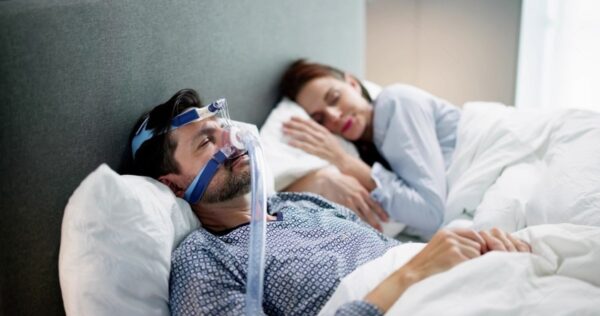
The machine is typically set to a specific pressure level, which is determined by a doctor or sleep specialist based on the individual’s specific needs. The pressurized air helps to prevent the airway from collapsing, allowing for normal breathing and reducing the number of pauses in breathing during sleep.
Are there different types of CPAP machines?
Yes, there are different types of CPAP machines available, including fixed-pressure CPAP machines, automatic positive airway pressure (APAP) machines, and bilevel positive airway pressure (BiPAP) machines.
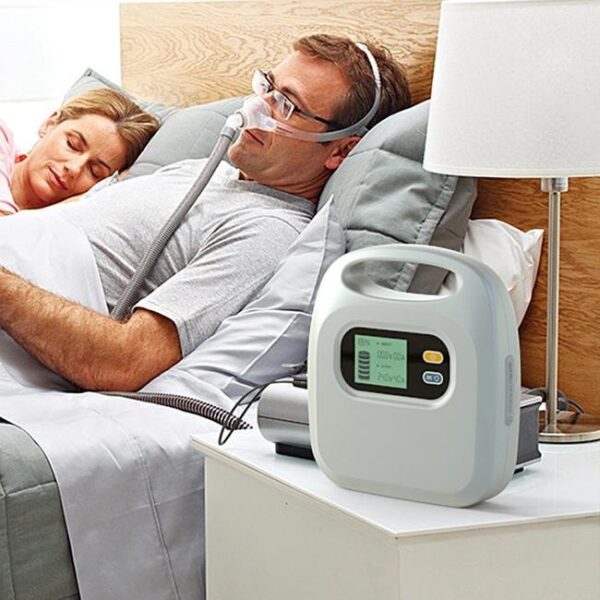
Fixed-pressure CPAP machines deliver a constant flow of pressurized air at a set pressure level, while APAP machines adjust the pressure level automatically based on the individual’s breathing patterns. BiPAP machines deliver two different pressure levels, one for inhalation and one for exhalation, and are typically used for individuals with more severe sleep apnea.
Why Backup Power for Your CPAP Machine Matters
A CPAP machine helps manage sleep apnea by delivering a steady flow of pressurized air to keep your airways open during sleep. An uninterruptible power supply (UPS) can also be a crucial component to ensure your CPAP machine continues to function during power outages. Without power, your CPAP device can’t function properly, potentially leading to serious health risks, such as high blood pressure or increased fatigue. Having a CPAP battery backup ensures your treatment continues seamlessly, even during a power outage or when you’re away from a wall outlet.
CPAP Machine Power Requirements
How many watts does a CPAP machine use?
A CPAP machine typically uses between 30 to 60 watts of power, but it varies depending on the model and brand. Some machines may use more power if they have additional features, such as heated humidifiers or built-in oxygen concentrators. It’s essential to choose a power supply that can accommodate the specific power requirements of the CPAP machine to ensure uninterrupted therapy.
When selecting a power supply for a CPAP machine, it’s crucial to consider the power consumption, battery capacity, and portability of the device. A portable power station or solar generator can provide a reliable backup power source for CPAP machines, especially during power outages or when traveling. Look for a power supply with a high capacity and pure sine wave inverter to ensure smooth and efficient operation of the CPAP machine.
In addition to the power consumption, it’s also important to consider the electrical outlet and DC power cords required by the CPAP machine. Some machines may require a specific type of outlet or DC power cord, so it’s essential to check the manufacturer’s specifications before purchasing a power supply.
What to Look for in a Solar Generator for CPAP Use
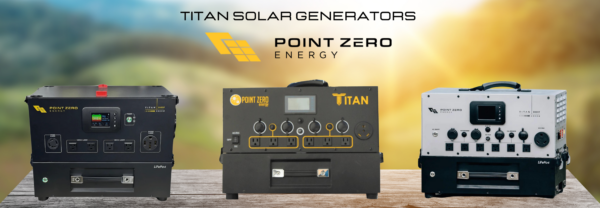
When choosing a solar generator or portable power station for your CPAP machine, not all generators can be considered the “best” for your machine:
- Power Requirements:
Most CPAP machines have specific power needs, measured in watts. To determine the size solar generator you need, check your machine’s operating wattage and whether you use additional features like a heated humidifier, which requires more power. - Battery Capacity:
The battery capacity of a generator indicates how long it can run your CPAP machine. Look for portable battery packs that provide enough power for at least 8 hours of operation to cover a full night’s sleep. - Pure Sine Wave Inverter:
A pure sine wave inverter is essential to ensure your CPAP device operates safely and efficiently without risking damage to its sensitive electronics. - Portability and Solar Panels:
Portable solar generators with solar panels offer the added benefit of recharging in remote areas, ensuring you always have a reliable power source.
The Titan Boost Solar Generator: Perfect for CPAP Backup Power
The Titan Boost Solar Generator is a lightweight, powerful option designed to meet the power requirements of all sorts of household appliances, including CPAP machines. The Titan Boost Solar Generator serves as an excellent CPAP power supply, ensuring your device runs smoothly and efficiently. With its pure sine wave inverter and external DC input port, this generator delivers clean and efficient power.
- Battery Capacity: 2,500Wh with 3,000W continuous power output, providing enough power for virtually all CPAP machines, including those with heated humidifiers.
- Portability: Compact design makes it easy to transport, ideal for camping or frequent travel.
- Recharging Options: Compatible with solar panels for off-grid use or a wall outlet for quick recharging.
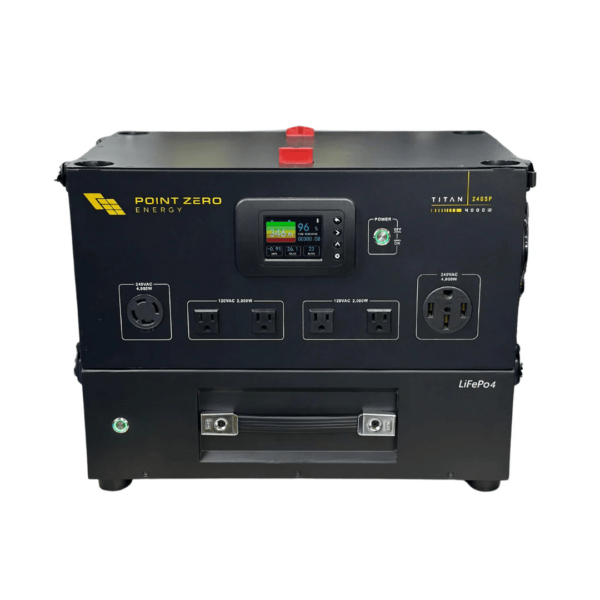
The Titan 240SP: A High-Capacity Power Station for CPAP Machines
For those who experience frequent power outages or need more power, the Titan 240SP Solar Generator is an excellent choice. The Titan 240SP is one of the most reliable portable power stations available, providing ample power for extended use. This powerhouse provides reliable power source capabilities for extended use.
- High Power Output: Its power station’s output port handles higher operating wattage, perfect for CPAP users with additional power needs.
- Versatility: Supports DC power cords, power cords, and rechargeable batteries to power your CPAP device and other essential devices simultaneously.
- Backup Batteries: Offers expandable backup batteries for increased battery capacity during long-term outages.
|
Specifications |
Titan Boost Power Module |
Titan 240SP Power Module |
| Continuous Power Output | 3,000W continuous power | 4,000W continuous power |
| Surge Power Output | 6,000W surge for 5 seconds | 8,000W surge for 10 seconds |
| Output Voltage | 120V pure sine wave | 120V/240V pure sine wave |
| Solar Input Capacity | Up to 2,000W; up to 240VDC | Up to 4,400W |
| No Load Power Consumption | Less than 15 watts | 15-25 watts |
| Battery Capacity | 2,500Wh expandable up to 27,500Wh (batteries sold separately) | 2,500Wh expandable up to 27,500Wh (batteries sold separately) |
| Dimensions | 18.5 x 12 x 8.5 inches | 18.5 x 12 x 8.5 inches |
| Weight | 37 lbs | 62 lbs |
How to Use a Solar Generator to Power Your CPAP Machine
- Determine Power Consumption: Check your CPAP machine’s manual to find out how many watts your CPAP uses.
- Connect Safely: Use the appropriate DC power supplies or adapters to match your generator’s power station’s output port.
- Monitor Power: Ensure the generator has enough charge or is connected to solar panels for continuous use. Alternatively, you can use a portable battery pack specifically designed for CPAP machines as a backup power source.
- Recharge as Needed: Keep the generator’s battery packs charged via solar generator power or an electrical outlet.
Benefits of Solar Generators for CPAP Backup
- Quiet Operation: Unlike conventional generators, solar generators run silently, ensuring peaceful sleep. A solar generator serves as a reliable CPAP power supply, ensuring your device operates smoothly without interruption.
- Eco-Friendly: Solar generators use renewable energy, reducing reliance on fossil fuels.
- Portability: Compact designs make them easy to carry, perfect for camping or emergencies.
- Cost-Effective: Over time, they save on electricity costs and eliminate the need for disposable batteries.
Sleep Comfortably with a Solar Generator
Whe
ther you’re preparing for a power outage or planning an off-grid adventure, a solar generator for CPAP machines like the Titan Boost or Titan 240SP ensures uninterrupted sleep. These portable solar generators provide a dependable CPAP power supply, ensuring your device runs efficiently throughout the night. The power output needed to keep your CPAP running efficiently means you can wake up refreshed and ready to tackle the day.
Switching to a portable power station is an investment in your health and peace of mind. With the right solar generator power CPAP solution, you’ll enjoy reliable performance, whether at home or on the go.


Leave a Reply