
Are you considering renovating your bathroom to make it more accessible? In Phoenix, where the community values inclusivity and functionality, transforming a bathroom to accommodate everyone’s needs is becoming a common upgrade for homeowners. With rising awareness around accessibility and the increasing popularity of aging-in-place modifications, an accessible bathroom is not just a necessity for some but a thoughtful addition for many households. In this blog, we will share essential tips and modifications to help you create a more accessible bathroom environment that ensures comfort, safety, and independence.
Assessing Your Needs
The first step in making your bathroom more accessible is to assess the specific needs of those who will use it. Start by considering the mobility challenges that you or your family members may face. Are there individuals with wheelchairs or walkers? Does anyone have a visual impairment or require assistance with balance? Understanding these needs will guide your decisions on what modifications will be most effective. Make a list of these requirements and consider consulting with a healthcare professional or an occupational therapist to ensure that you address all necessary aspects of accessibility.
Choosing the Right Shower
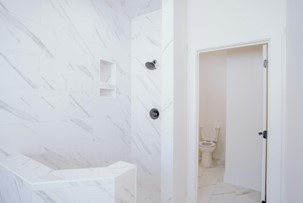
A key element in an accessible bathroom is the shower, as traditional bathtubs can pose significant challenges for people with mobility issues. Opt for a roll-in shower, which features a flat entrance without any steps or barriers, making it wheelchair accessible. These showers can be equipped with adjustable shower heads, anti-scald controls, and thermostatic or pressure-balanced valves to ensure safety and comfort. If you’re considering this type of upgrade for your bathroom, you might want to look up the keyword Phoenix showers online to find the best people for the job in the area. Another useful feature is a linear drain, which helps manage water better and keeps the shower floor dry outside the main shower area, reducing the risk of slipping.
Installing Grab Bars
Grab bars provide essential support and stability for everyone, but especially for those with limited mobility. Install grab bars not just in the shower or bath area, but also near the toilet and along the walls where support may be needed. For optimal safety, choose bars that can support more than 250 pounds and are ADA-compliant. The positioning should be tailored to the user’s height and reach, and the bars should be installed at an angle to allow for a natural grip and pull motion, which aids in standing and balancing.
Height-Adjustable Features
Incorporating height-adjustable features into your bathroom design can cater to the needs of all users, regardless of their physical condition. Adjustable sinks and vanities allow users to access the sink either from a seated or standing position. Consider installing sinks with motorized height adjustments or, for a more cost-effective solution, pedestal sinks that do not have cabinetry underneath and provide clearance for wheelchair users. Mirrors should also be installed at a lower height or designed to tilt for better visibility from different heights and angles.
Toilet Modifications
Upgrading the toilet can significantly enhance accessibility in the bathroom. Consider installing a comfort-height toilet, which is taller than standard toilets and easier to use for individuals with mobility issues. These toilets make it easier to transition from a wheelchair or walker to the toilet. Additionally, you might want to install a bidet attachment, which can aid in personal hygiene for those with limited dexterity. For added safety, integrate grab bars around the toilet area to assist with sitting and standing motions.
Accessible Flooring Choices
Choosing the right flooring is critical for preventing slips and falls, which are common in bathrooms. Textured tiles and non-slip vinyl are excellent options that provide better grip underfoot, reducing the risk of accidents. Avoid using smooth, glossy tiles that can become slippery when wet. Instead, opt for matte-finished materials or textured surfaces that offer more traction. Be sure to also consider the color and brightness of the flooring to ensure it provides enough contrast with the rest of the bathroom for those with visual impairments.
Lighting and Visibility
Proper lighting is vital in an accessible bathroom to aid visibility and prevent accidents. Install bright, non-glare lights to illuminate the entire space evenly. Consider placing additional lights in critical areas such as the shower, near the toilet, and over the vanity mirror. Task lighting can be especially useful to compensate for any decrease in vision, and using lights with adjustable intensity can help cater to different needs and times of the day.
Doorway Widening
For wheelchair users or those who rely on mobility aids, a wider doorway is essential. Standard bathroom doors might be too narrow, and widening them to at least 32 inches can significantly improve accessibility. This modification allows easier access and navigation for larger mobility aids, and if space allows, consider installing sliding or pocket doors to maximize the use of available space.
Shower Seat Installation
Including a seat in the shower can greatly increase safety and comfort, particularly for individuals who have difficulty standing for extended periods. A built-in bench or a fold-down seat can be securely attached to the wall, offering a stable place to sit while bathing. Ensure the seat is positioned at a suitable height and is made of water-resistant materials to withstand the humid bathroom environment.
Emergency Response
In any accessible bathroom, an emergency response system is a prudent feature. Install a waterproof emergency button or pull cord within easy reach of the shower, toilet, and sink. This ensures that in case of a fall or other emergencies, help can be summoned right away. For added security, consider connecting the system to your home’s main alarm system or a monitored emergency service.
Conclusion
Creating a more accessible bathroom is a thoughtful approach to accommodate the diverse needs of family members and visitors alike. With these practical modifications, you can improve the functionality, safety, and comfort of your bathroom. Accessibility is about making sure everyone can use the bathroom independently and with dignity. By implementing features like roll-in showers, adjustable fixtures, proper lighting, and emergency response systems, you ensure that the bathroom is a welcoming space for all, regardless of age or mobility. This investment not only improves quality of life but also adds lasting value to your home.


Leave a Reply