
In parenthood, few challenges are as profound as the severe harm caused by one child to another, such as testing vigilance and unpredictability. Every day, over 1,600 children and adolescents under the age of 19 die from preventable injuries worldwide. This alarming statistic highlights the critical importance of addressing and preventing such incidents. Navigating the complexities of law and justice in such circumstances can be daunting yet essential.
In this article, we explore complex legal avenues and offer clarity on seeking resolution and healing for all affected when a minor injures your child severely.
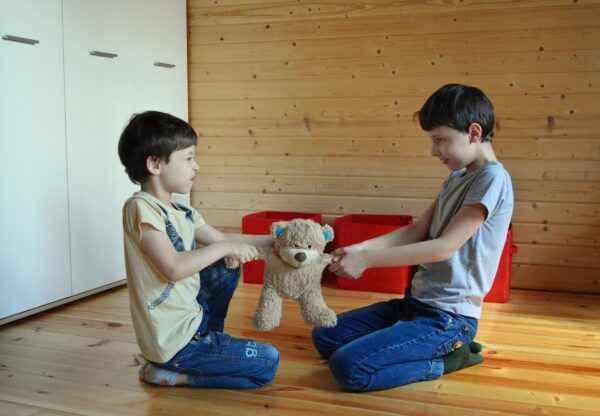
Understanding Liability in Cases Involving Minors
Understanding liability involves examining legal principles that determine responsibility for actions taken by individuals under the age of legal adulthood. This includes considerations of parental oversight, legal standards, and the impact of past court decisions on such cases.
- Parental Responsibility: In many jurisdictions, parents or guardians of minors can be held liable for their children’s actions. Known as parental or vicarious liability, this principle acknowledges parents’ duty to supervise and control their children, preventing harm to others.
- Intention and Negligence: Liability also hinges on whether the injury resulted from intentional acts, like assault, or negligence, such as reckless behavior. Different legal consequences may apply based on the nature of the harm caused.
- Contributory Negligence: Courts assess whether the injured child or their guardians played a role in the incident. Comparative negligence laws may adjust compensation based on each party’s degree of fault.
- Legal Standards and Precedents: Local laws and precedents significantly influence liability determinations. These evolve from past court decisions and statutes, shaping how cases involving minors are resolved.
Steps to Take Immediately After the Injury
URMC states immediate action is crucial when signs like persistent bleeding, ragged cuts, or worsening redness, bruising, swelling, or pus appear. These indicate potential complications requiring urgent medical attention to prevent further injury or infection, prompt medical assessment and appropriate care are advisable.
Collect witness statements, scene photos, and relevant documents for liability assessment. Report to school officials or law enforcement as needed. Contact a personal injury or juvenile law attorney promptly for guidance on protecting your child’s rights.
Legal Options Available to Parents of the Injured Child
Parents of a child severely injured by another minor have several legal avenues to pursue justice and compensation. They can file a civil lawsuit against the minor and potentially their parents or guardians for negligence or intentional harm.
TorHoerman Law emphasizes the importance of personal injury law. This area of law protects you if you’re injured or if your property is damaged due to someone else’s actions or negligence.
Let’s look at a real-world example:
According to CNN, a young girl in Missouri was critically injured in a fight near her high school. Thankfully, a suspect has been arrested, but the situation highlights the potential for legal action. If the fight resulted from bullying or another form of negligence, personal injury law could be involved. The injured girl might have a case to seek compensation for her medical bills and other damages.
Knowing the intricacies of local laws is crucial in personal injury cases. In the above case, a St. Louis personal injury attorney can be your best ally. With their extensive knowledge and unwavering commitment to client advocacy, they can strive to achieve the best possible outcomes for those impacted by injuries.
These attorneys represent individuals who have suffered injuries caused by accidents or negligence. The young girl injured in a fight, for example, could be a case for a personal injury attorney.
Depending on the situation, insurance policies might come into play. For instance, the homeowner’s insurance of the responsible minor’s family might cover some damages. In cases of severe injury, law enforcement might pursue criminal charges against the perpetrator, leading to penalties or rehabilitation measures.
Challenges and Considerations in Pursuing Legal Action
Cases involving minors are legally complex, involving nuanced frameworks such as the minor’s capacity, parental liability, and potential criminal implications. The emotional impact on the injured child and their family can be profound, influencing decisions and legal strategies.
Establishing liability and proving damages require thorough documentation and expert legal support. Legal proceedings involving minors may attract public scrutiny, affecting privacy and emotional well-being. These processes can be lengthy, demanding patience in seeking justice and compensation.
Mediation, Arbitration, and Court Proceedings
Harvard Law School states mediation, arbitration, and court proceedings are essential steps in resolving legal disputes. They allow parties to explore mutually agreeable solutions that potentially offer greater value than pursuing individual courses of action.
Understanding each party’s perspective on alternatives to negotiated agreements helps assess the potential for resolutions through discussions or formal legal proceedings.
If negotiation proves successful, a settlement agreement outlines terms of compensation and resolutions agreed upon by both sides. If negotiation fails or terms cannot be agreed upon, legal action may proceed to court. Here, evidence is presented, and a judge or jury determines liability and any damages awarded.
Emotional and Practical Support for Families
During this challenging time, families should prioritize seeking both emotional and practical support. Professional counseling offers crucial help in coping with the emotional trauma and stress resulting from the incident.
HelpGuide.org states counseling and support groups provide families with emotional and practical support, offering constructive advice and encouragement in a safe environment. These resources provide insights into coping strategies and shared experiences, fostering community and alleviating feelings of isolation during challenging times.
Engaging with legal professionals specializing in juvenile law or personal injury provides clarity on legal options and financial compensation. Accessing medical care and rehabilitation services ensures the physical recovery and well-being of the injured child.
Frequently Asked Questions
How does liability work when a minor causes injury to another child?
Liability when a minor causes injury to another child often falls on the parents, as minors typically lack financial resources. Society expects parents to supervise children, prevent harm, and compensate victims injured through no fault of their own.
Should I contact a lawyer if my child is injured by another minor?
If your child is injured by another minor, consulting with a lawyer specializing in personal injury or juvenile law is advisable. Such a lawyer can offer guidance on legal avenues, potential compensation available, and navigating the complexities of legal procedures.
What challenges might arise in pursuing legal action against a minor?
Challenges in legal action against a minor include establishing liability, addressing parental defenses, managing emotional repercussions, and navigating complex legal processes.
To summarize, the legal path after a minor injures your child is emotionally taxing and driven by the pursuit of justice. From understanding liability to overcoming challenges in legal action, each step demands careful consideration and expert guidance. By balancing legal strategy with emotional support, families can navigate this difficult journey with resilience.


Leave a Reply